Open-World Player Vehicle Driving P6: Driving Strategy and Risk Models — Why Does the Same Route Produce Different Driving Behavior?
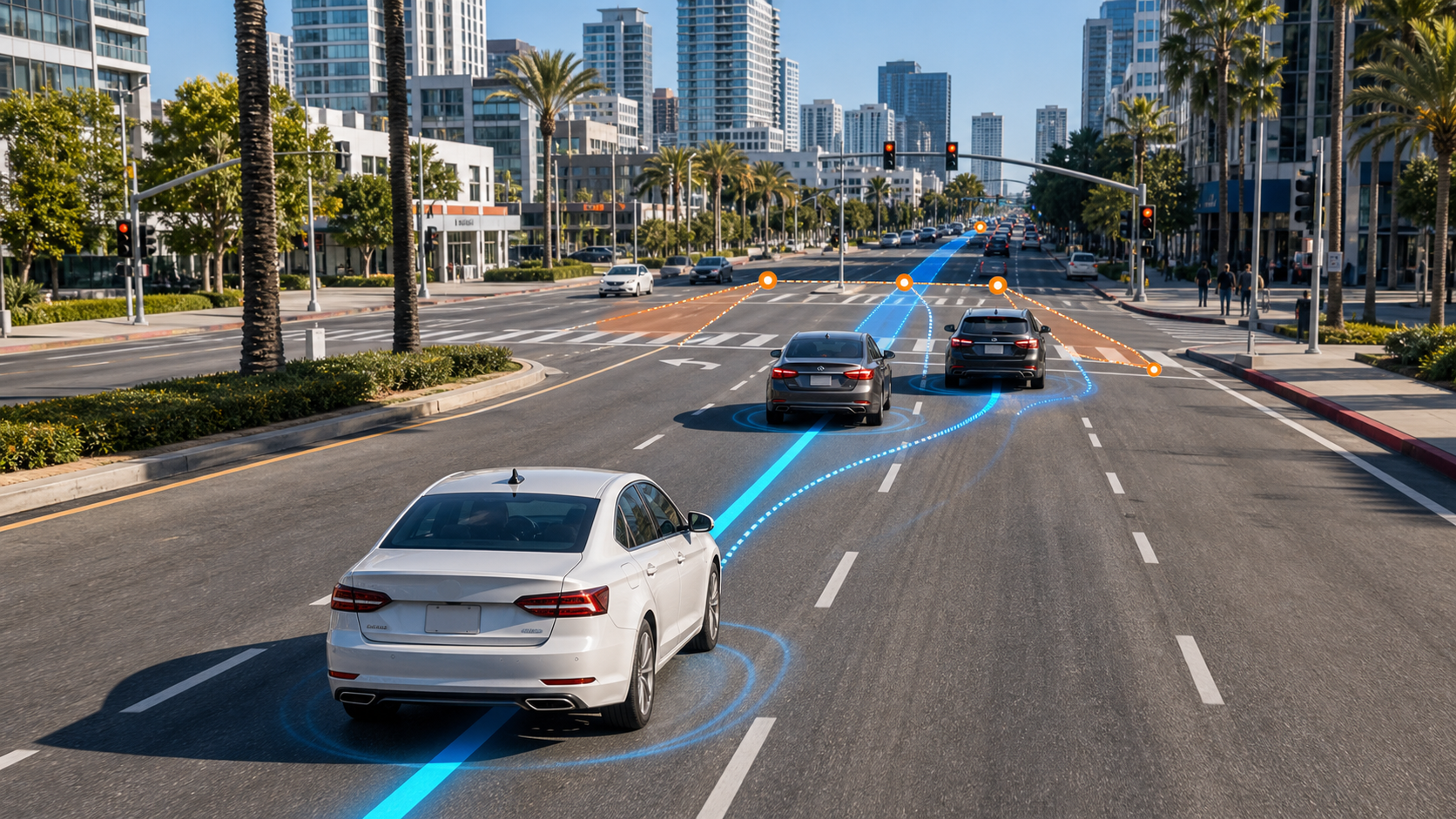
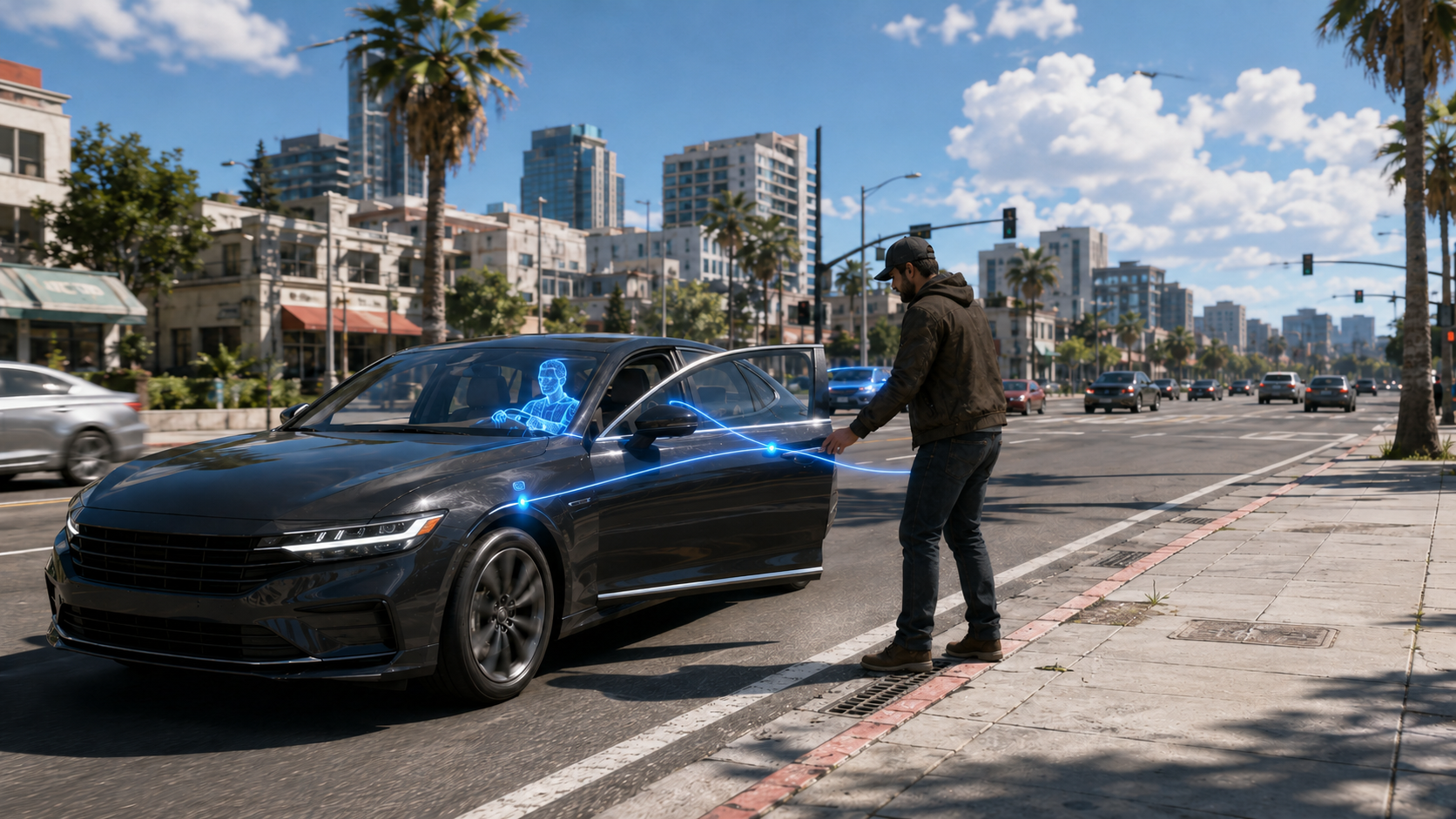
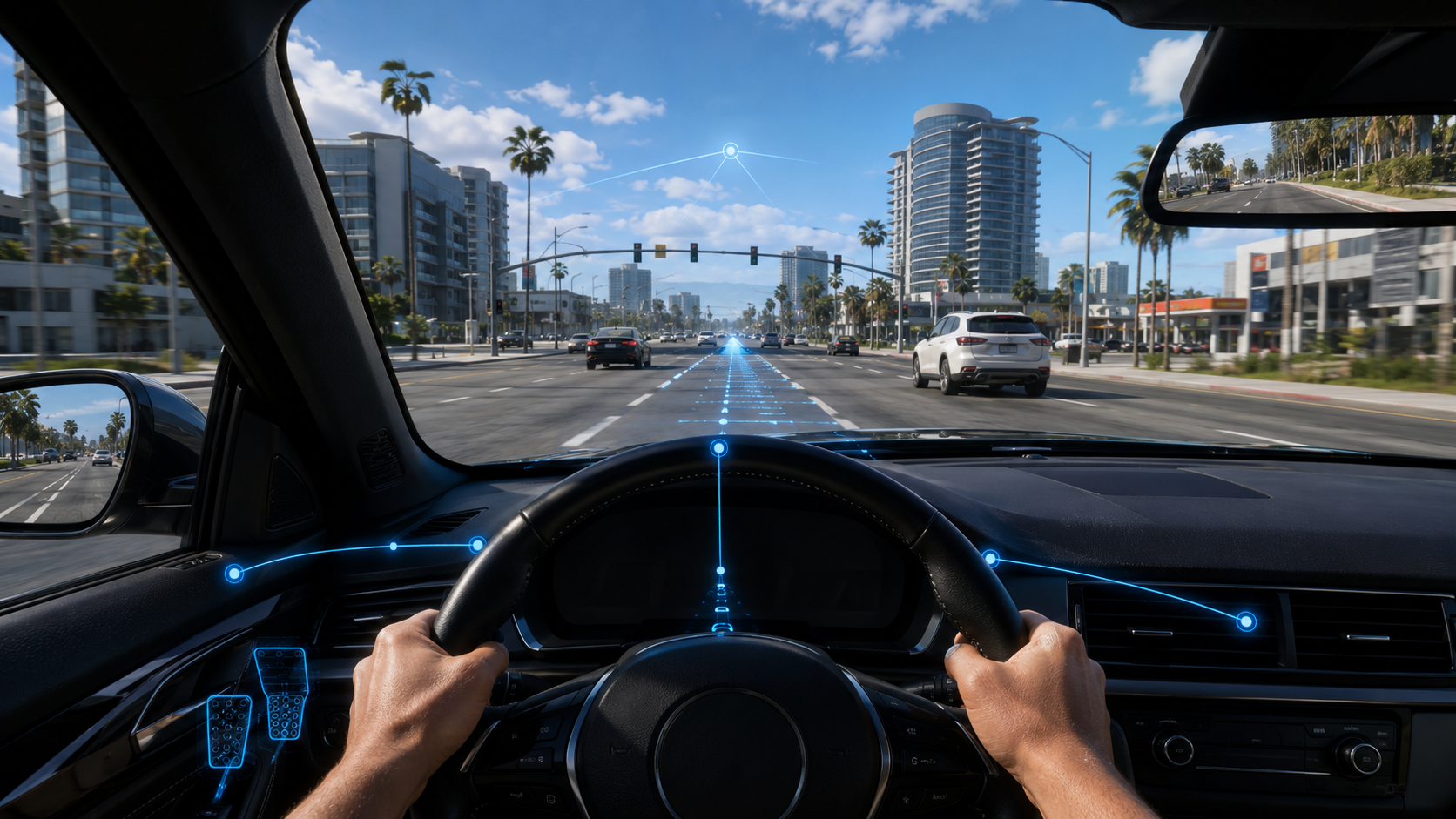
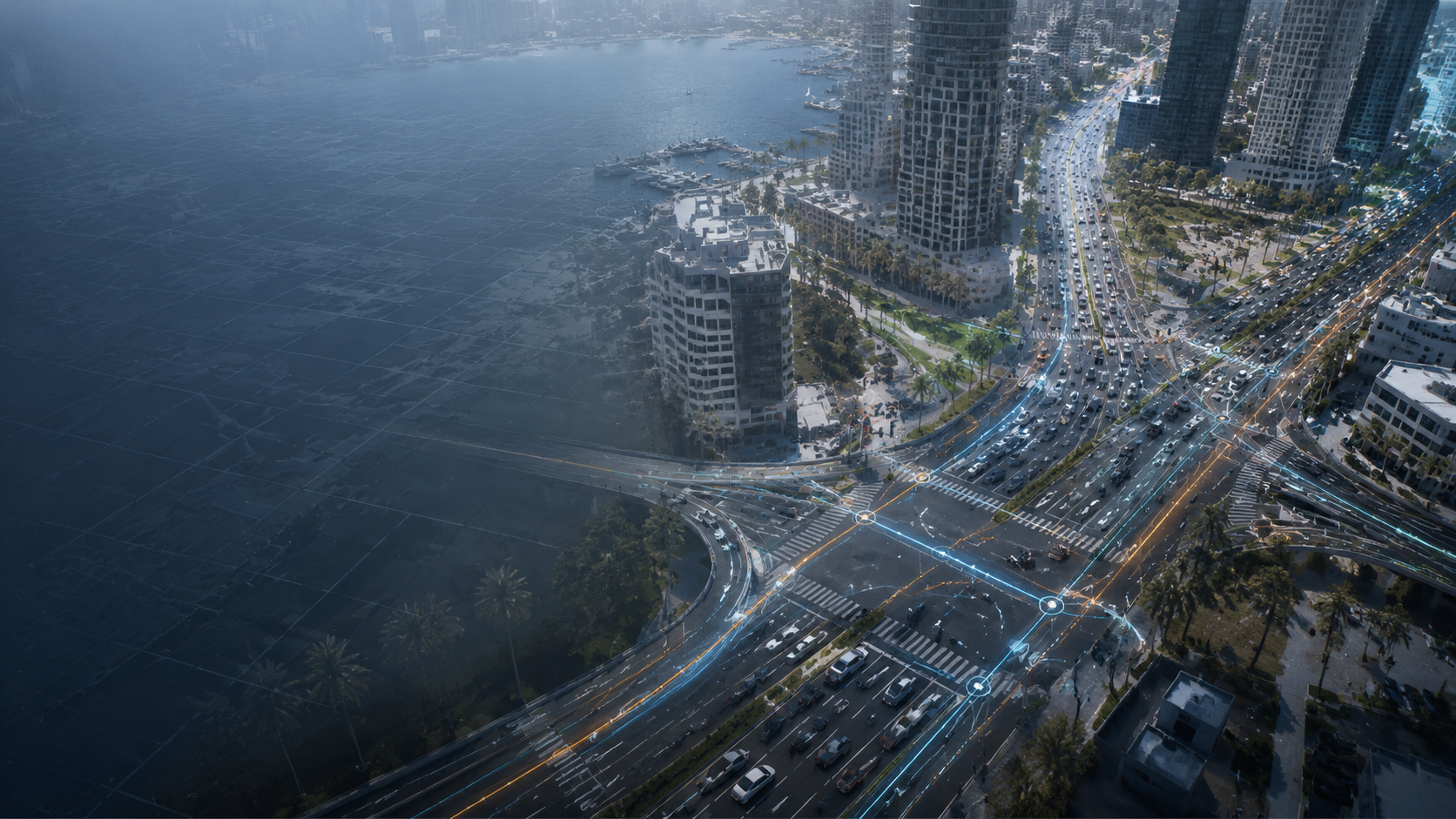
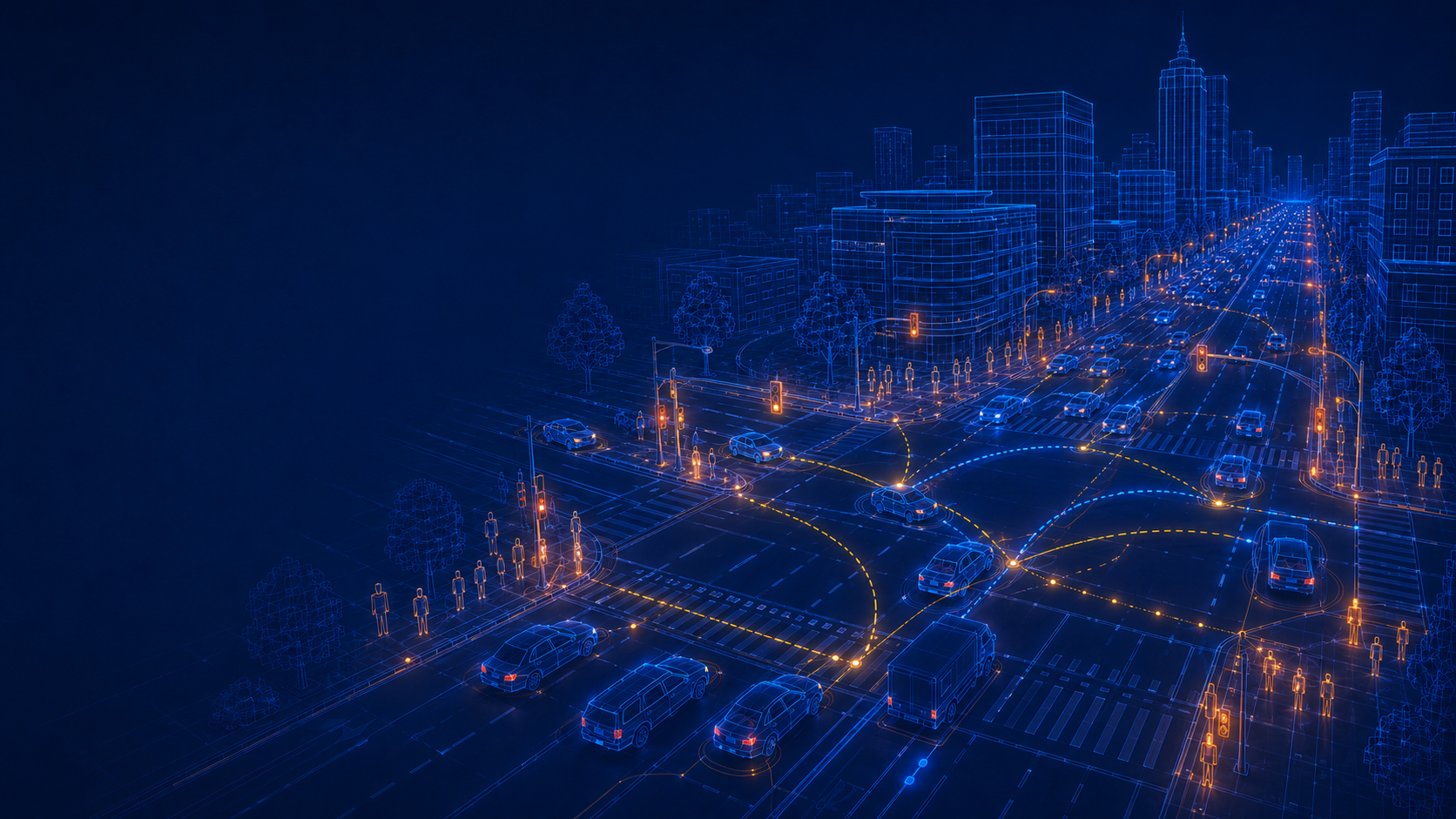
This article is part of the Open-World Player Vehicle Driving series. It follows P5, which discussed GPS, route life cycles, and dynamic replanning. P5 answered where the vehicle should go and how a route remains valid while the road world changes. This article asks a different question: when two vehicles have the same destination and … Read more
Urban Vitality P1 | Open-World Population Orchestration

Urban Vitality P1 — Open-World Population Orchestration

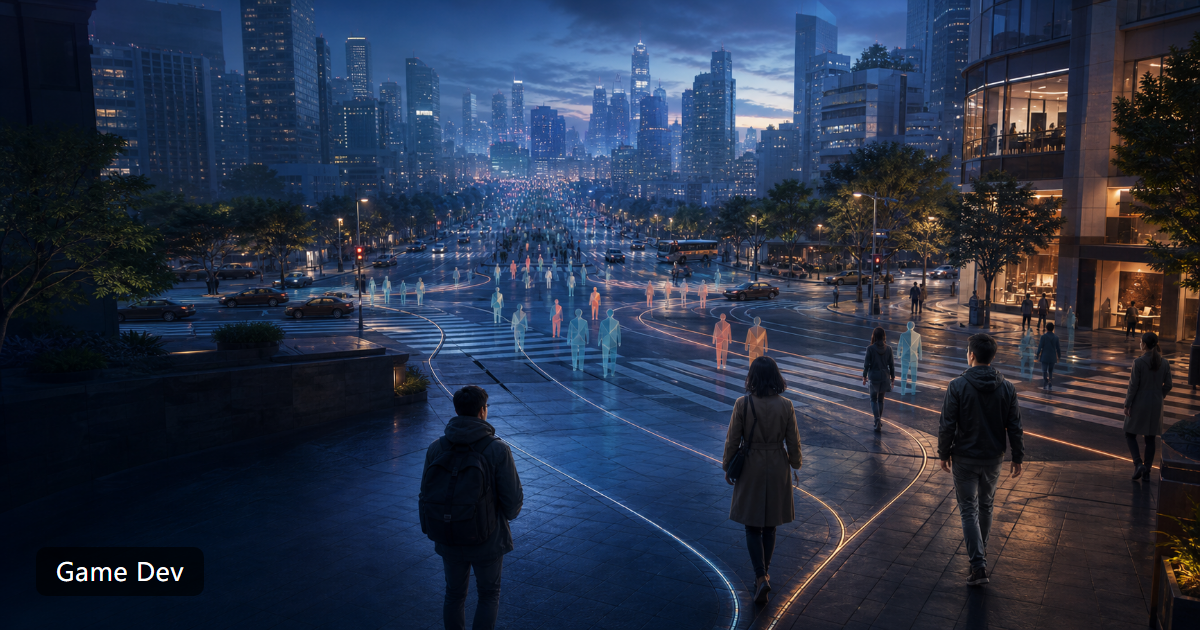
Urban Vitality series · P1 · Pedestrian Scheduling Previous article (series overview): Rebuilding a City That Runs Itself in UE5. This article develops the crowd and population systems introduced in that overview. The subject is how street populations are created, placed, represented, and reclaimed. It covers population orchestration, stable stubs, three runtime cost layers, spawn … Read more

Open world player vehicle driving P5: How player goals become navigation – GPS, route life cycle and dynamic re-planning

P1 discusses how players obtain the driving control window through seating relationships; P2 discusses how input enters the vehicle; P3 discusses how multiple inputs, mission goals and constraints form consumable driving commands; P4 discusses how different control sources complete release, takeover and recovery. This article continues to ask: after the player specifies a destination, how … Read more

Open-World Player Vehicle Driving P4: How AI Releases and Regains Control of a Vehicle — Control-Source Handoff, Temporary Tasks, and State Recovery

P1 discusses how the player obtains a driving control window through seating relationships; P2 discusses how input enters the vehicle; P3 discusses how multiple inputs, goals and constraints form a consumable driving command. This article continues to ask: When the vehicle is already run by an AI task and the player requests to enter, take … Read more

Open-World Player Vehicle Driving P3: How Driving Commands Are Formed — From Input Snapshot to an Executable Vehicle Contract

This article is the third article in the “Player Vehicle Driving Series in the Open World”. P1 discusses how the player obtains the control window through seating relationships and driving takeover; P2 discusses how device input enters the vehicle through control views, player-state routing, and vehicle type bridging. This article continues to ask: When multiple … Read more

Open-World Player Vehicle Driving P2: Input, Driving Authority, and Vehicle Cameras — When Does Player Input Belong to the Vehicle?

This is the second design-analysis article in the Open-World Player Vehicle Driving series. P1 examined how the player becomes the current driver through seat relationships and takeover. This article follows the input after that takeover: how it passes through the system control layer, the player-in-vehicle router, and vehicle-specific executors before becoming a driving meaning that … Read more

Open-World Player Vehicle Driving P1: Entering a Vehicle, Seat Relationships, and Driving Takeover — When Does the Player Become the Driver?

This is the first solution-focused article in the open-world player vehicle driving series. The prologue established that the player does not take over a newly spawned static prop, but enters a vehicle that already has identity, seat relationships, tasks, and runtime state. This article focuses only on how the player enters that runtime and how … Read more

Dynamic City | City Traffic Runtime (Part 2): Route Execution, Driving Policy, and Multi-Vehicle Executors

This article is the lower half of the traffic-runtime topic in the “How to Build an Open-World Game” series. It follows the upper half, which covers scheduling and decision-making: road networks, junction right of way, signal phases, dispatch orchestration, and traffic readiness. This article covers route execution, continuous replanning, driving policy, dispatch-task realization, and dedicated … Read more

Dynamic City | City Traffic Runtime (Part 1): Road Networks, Junction Right of Way, Traffic Signals, and Dispatch Orchestration

Previous article: Vehicle Driving Execution Runtime and Physics Seams (Part 2) This article is the traffic-runtime installment in the “How to Build an Open-World Game” series, following the vehicle-runtime articles. The vehicle articles examine state organization inside one vehicle: driving ownership, seat relationships, driving-authority consistency, and the execution stack. This article moves to the higher … Read more

Dynamic City | Vehicle Driving Runtime (Part 2): Driving Execution Stack, Kinematic Preview, and Physical Integration

This is the lower half of the vehicle topic in the “How to Build an Open-World Game” series. The previous article covered scheduling and decisions: the vehicle owns the persistent driving loop, the ped submits intent, seat relationships have an authority owner, driving authority supports arbitration and consistency checks, and LOD has explicit tiers. This … Read more