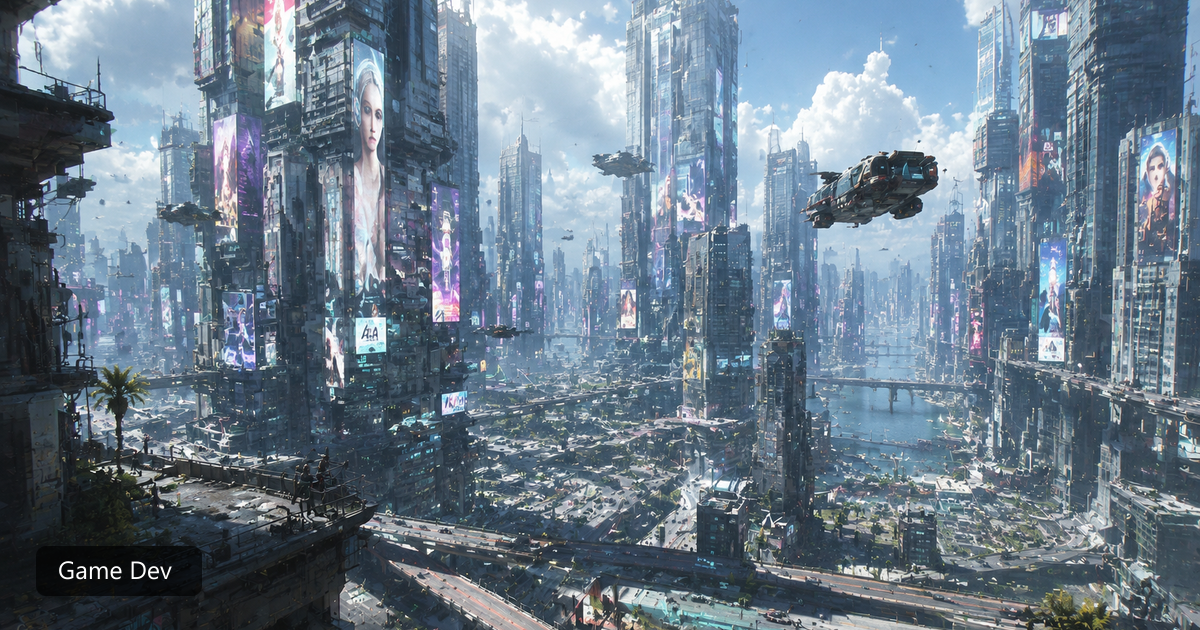
Dynamic City | Vehicle Driving Runtime (Part 1): Persistent Driving Intelligence, Seat Relationships, and Driving Authority
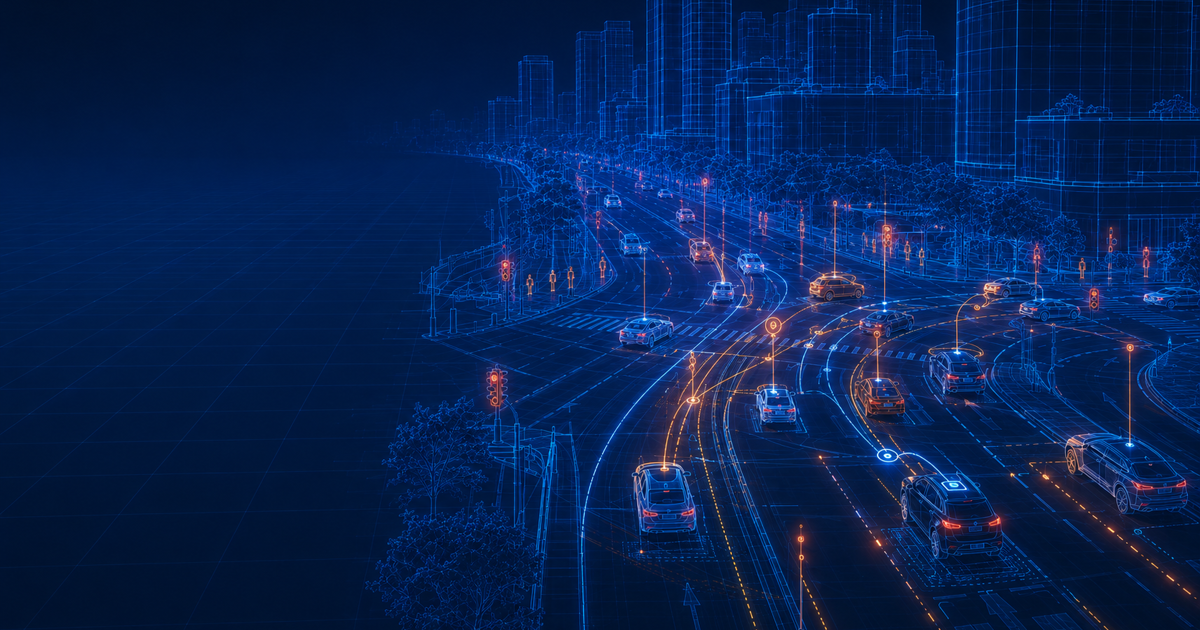
This is one of the practical installments in the “How to Build an Open-World Game” series, following the two-part character article *Rebuilding a City Packed with People in UE5*. That article examined the runtime organization of a large population—world ownership, phase scheduling, population, and the perception pipeline. This article turns to the other half deliberately … Read more
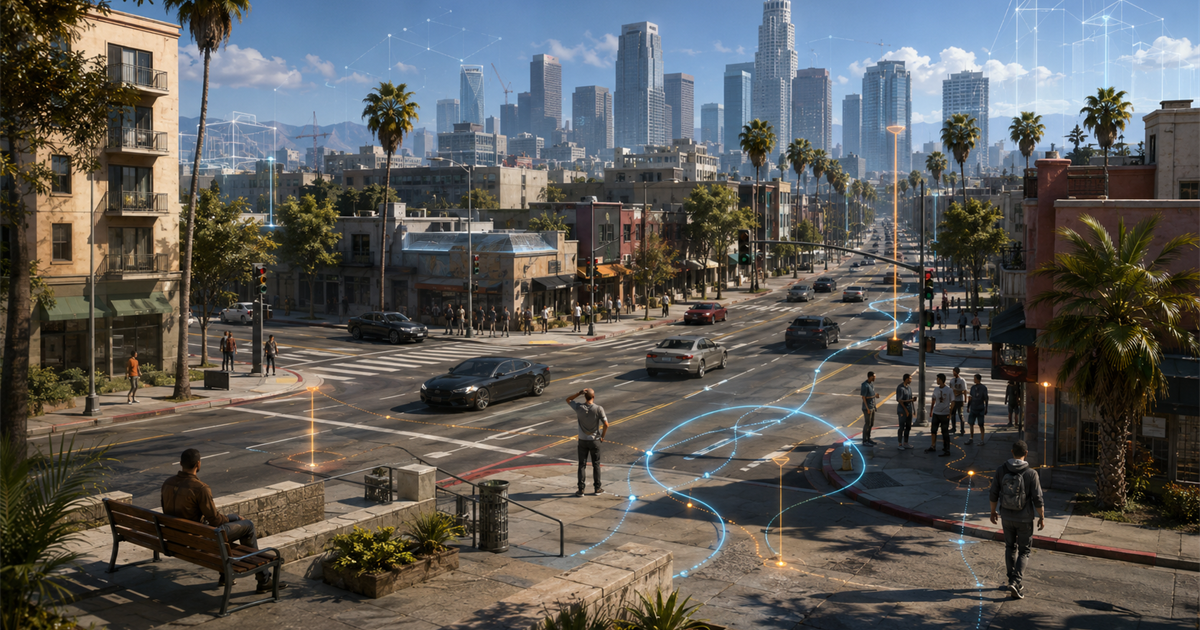
Dynamic City | City Population Runtime (Part 2): Task Execution, Scenario Behavior, and Presentation Boundaries

This is the second pedestrian-focused installment in the How to Build an Open-World Game series. Part 1 covered scheduling and decision-making up to the point where an event has produced a task slot. This article covers the other half: how a task becomes observable behavior, how scenario points populate the environment, and where locomotion, animation, … Read more

Open-World Population Orchestration: Identity Before the Entity, Crowds Tiered by Distance

Series The City That Runs Itself · Pedestrians · Scheduling Layer Previous (series overview): Rebuilding a City That Runs Itself in UE5. This article picks up from it, going deep on the crowd / population part. The traffic article covered how vehicle flow is scheduled. This one turns the lens to the crowds on the … Read more

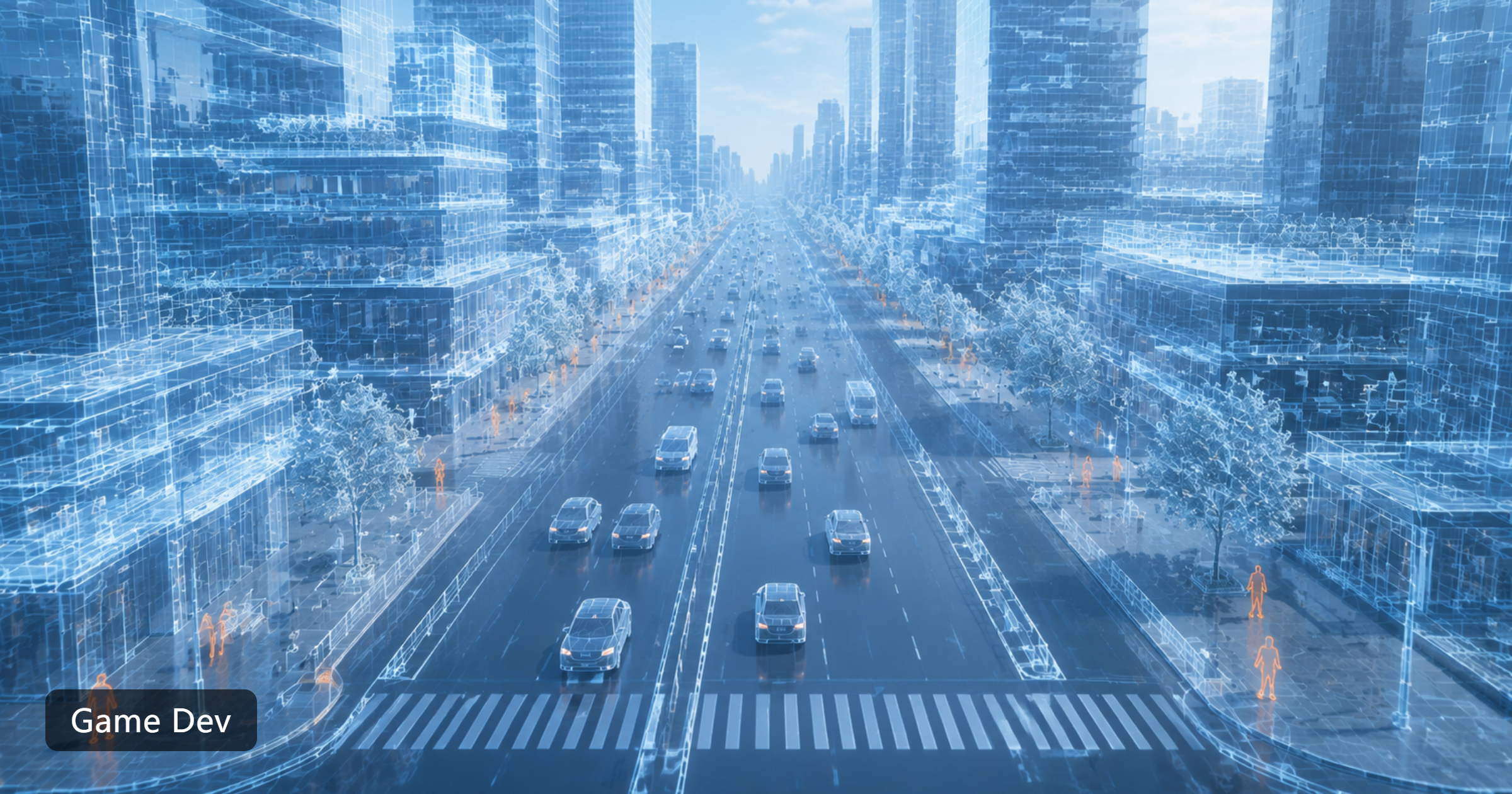
Dynamic City | City Population Runtime (Part 1): World Foundation, Population Scheduling, and Perception–Decision

This article is one of the deep-dive installments of the How to Build an Open-World Game series (the series overview, *A Systems Overview*, is here—reading it first is recommended for the big picture), focused on a single point deep enough to deserve its own piece: when a street has to keep hundreds of NPCs and … Read more

How to Build an Open-World Game: A Systems Overview

This article is distilled from a long-running, source-level reverse-engineering read of the engine and client code of a mature, commercial open-world game (roughly 700+ source-level notes)—covering not just the low-level engine, but also the more game-side systems: gameplay, networking, save, UI, telemetry. It isn’t about any single flashy trick; it answers a plainer and harder … Read more